
History of the Nan: How This South Asian Flatbread Came to Be
SUHEL AHMED • 3 June 2021
It's amazing to know that from every bite of a pie or every sip of a drink, there's a story that can unfold. This also holds true with Nan, which is also famous as 'naan' in some parts of the world.
Nan is a unique style of flatbread that originated in India. It became famous in restaurants in South Asia and also consumed eventually around the globe. As time goes by, this flatbread has been elevated by food enthusiasts and chefs by putting different flavours and fillings. Today, nan is one of the South Asian favourites served in different restaurants all over the world.
Tracing Its Origins
The term "Naan" comes from the Persian word 'n'n' which pertains to bread. It first appeared in English Literature in 1780 in a travelogue by William Tooke.
In other languages, such as Turkish, Uzbek, Uyghur, and Kazakh, flatbreads are written as 'nan'. No matter how they are spelt or written, it cannot be denied that their similarities are evident.
Some studies found out that a variety of Nan bread could have been first made and baked during the Indus civilisation. That was the period when thick rotis and chapatis were also developed. Some others say that bread was originally baked on hot pebbles, and it is believed that Nan flatbread is also related to that way of cooking.
In India, it is said that the sultans in Delhi introduced the use of Nan, tandoor, keema and kebab cooking–all methods that are now part of different delicacies.
But the first-ever recorded history of Nan is found in the cherished notes of Amir Kushrau, an Indo-Persian poet in 1300 A.D. According to these notes, Nan is originally cooked and served at the Imperial Court in Delhi. The breads are prepared as naan-e-tanuri (cooked in a tandoor oven) and e-tunuk (light bread).
To add to the colourful history of the Nan bread, it became a popular breakfast for the royals in 1526. It is often served with kebab or keema.
For decades, flatbread has been regarded as a popular delicacy by the Northern Indian royals because of the special way it is prepared and cooked. By 1700, Nan flatbreads were introduced in other classes in Indian society.
What Are the Ingredients of Nan and How Are They Cooked?
As Nan continues to become popular, new inventions are also introduced. One of these is the tandoor, which is also known as a clay oven. In India, tandoor became a primary aspect of Punjabi cooking. It became a common method of cooking Nan up until today, although some people use conventional ovens, too. Roti or chapatti is cooked in a slightly concave or flat iron griddle known as "tawa.”
The common ingredients of Nan are the following:
- All-purpose flour
- Dry yeast
- Sugar
- Salt
- Warm water
- Yoghurt
- Ghee
The ingredients are mixed to make a stretchy and smooth dough for the flatbread. Some of today's flatbread recipes use baking powder instead of yeast. Some chefs also use milk to add a tastier flavour and greater volume to the flatbread. Due to the innovative trends of cooking and food preparation, gluten-free recipes are now available for the famous flatbread. Nan is best served when hot and brushed with butter or ghee.
Conclusion
Nan today has amazingly reached different parts of the world. From the original flatbread recipe, new varieties are created, and people love them! Truly, it has made a significant mark in history and continues to evolve to be enjoyed by millions worldwide.
If you want to have a taste of nan in the best Indian restaurant in London, make sure to check out Tower Tandoori. Our menu offers great-tasting dishes that will make your taste buds travel to South Asia. Visit our restaurant today!
Find tips for choosing Indian restaurants near Tower Bridge in London for family meals, from kid friendly menus to group seating and takeaway options
Plan a cheap Tower Bridge weekend with free sights, market timing tips and a fixed price meal at a curry restaurant in London near Bermondsey.
Plan group dining at a tandoori Indian restaurant with veg, vegan, halal and gluten free choices plus mild to hot spice options for everyone.
Discover how a modern Indian restaurant in London blends tradition with innovation, from charcoal tandoor classics to bold contemporary dishes near Tower Bridge.
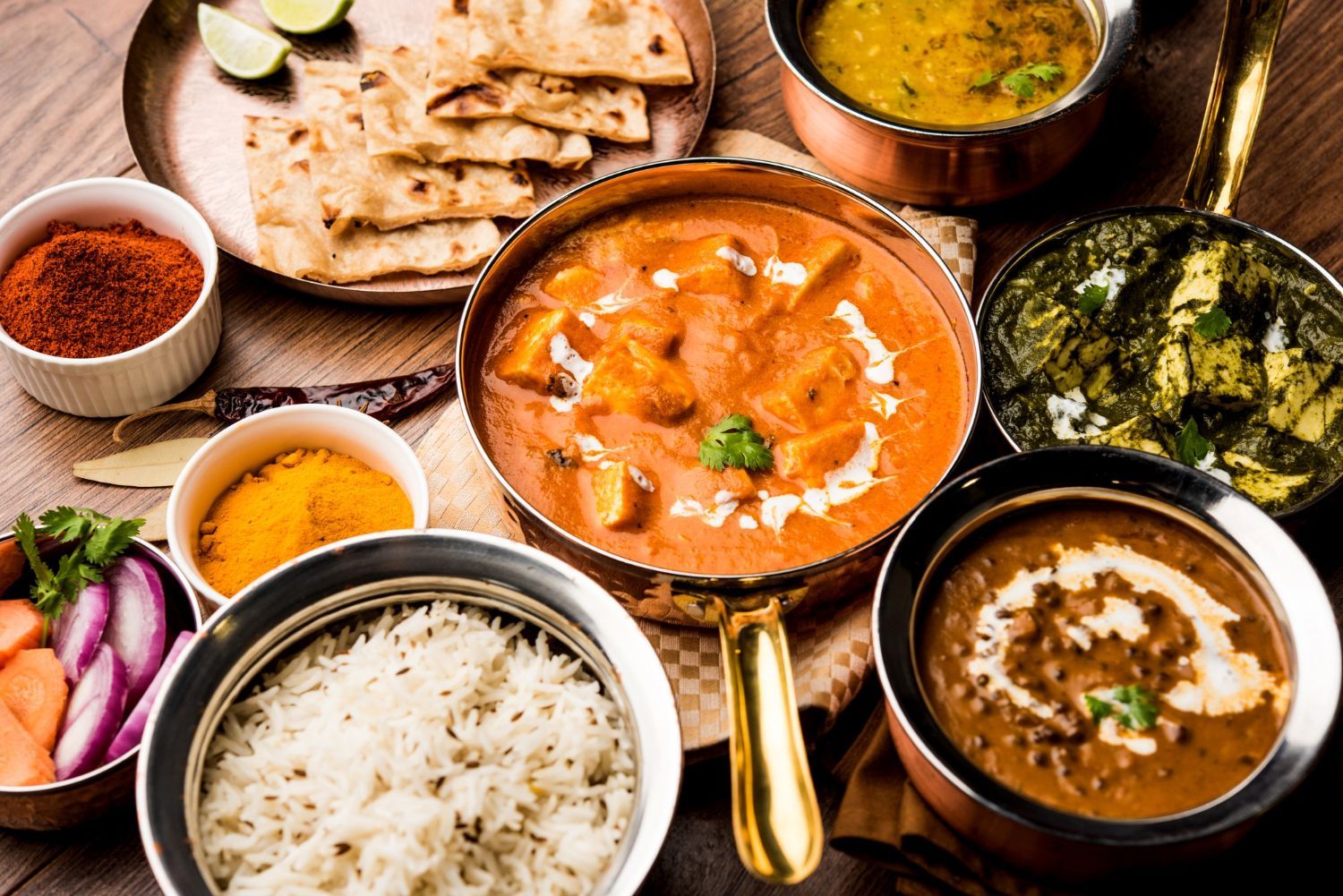
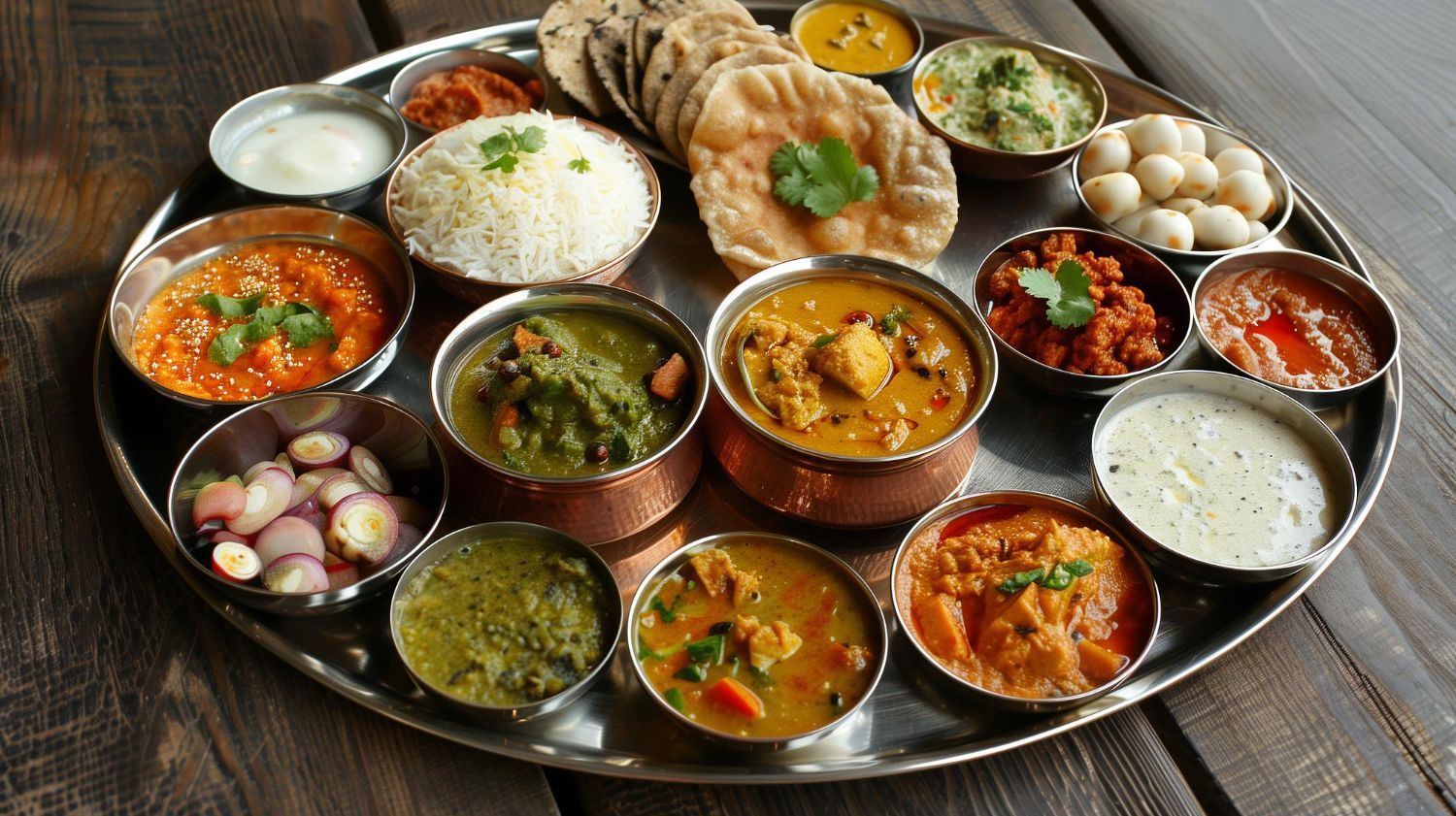
Compare shared platters, thalis and set menus to suit portions, spice and dietary needs at an Indian restaurant in Tower Bridge for great value
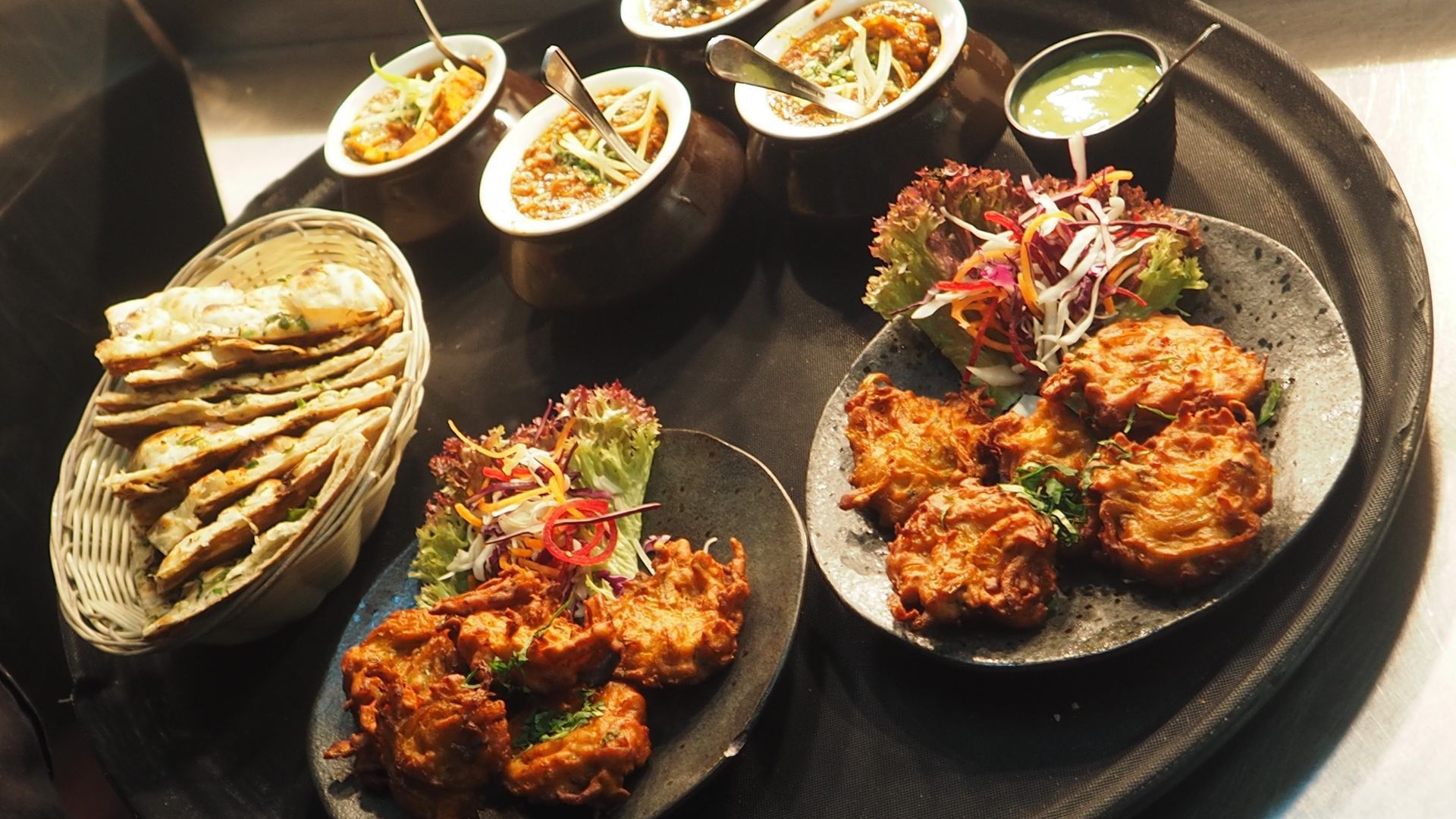
Discover deals, set menus and BYOB tips for an affordable Indian restaurant in London, with borough by borough picks and bill splitting advice.
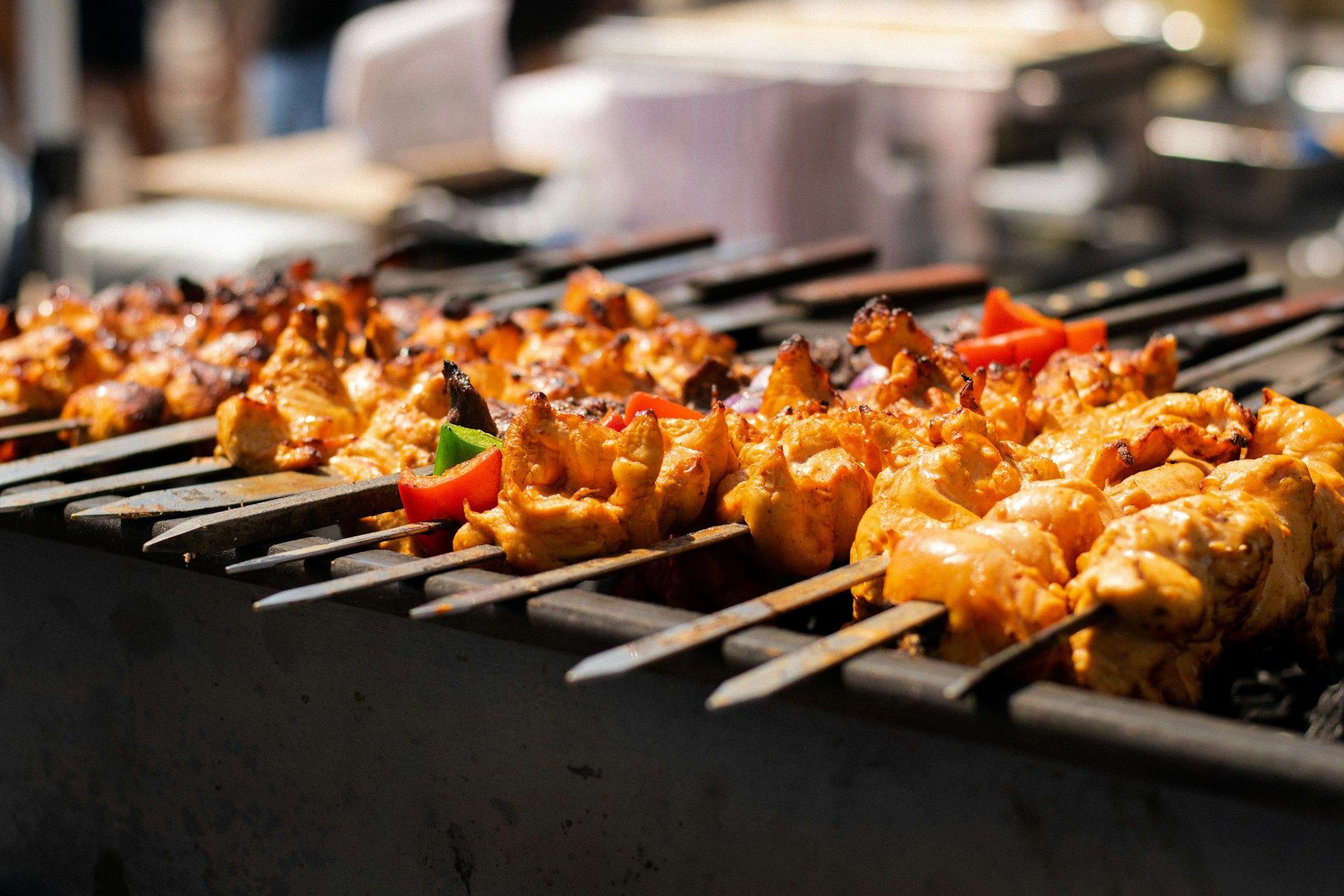
Plan a relaxed evening at an Indian restaurant in Tower Bridge with a course by course order, sharing ideas, pairings and pacing tips for two
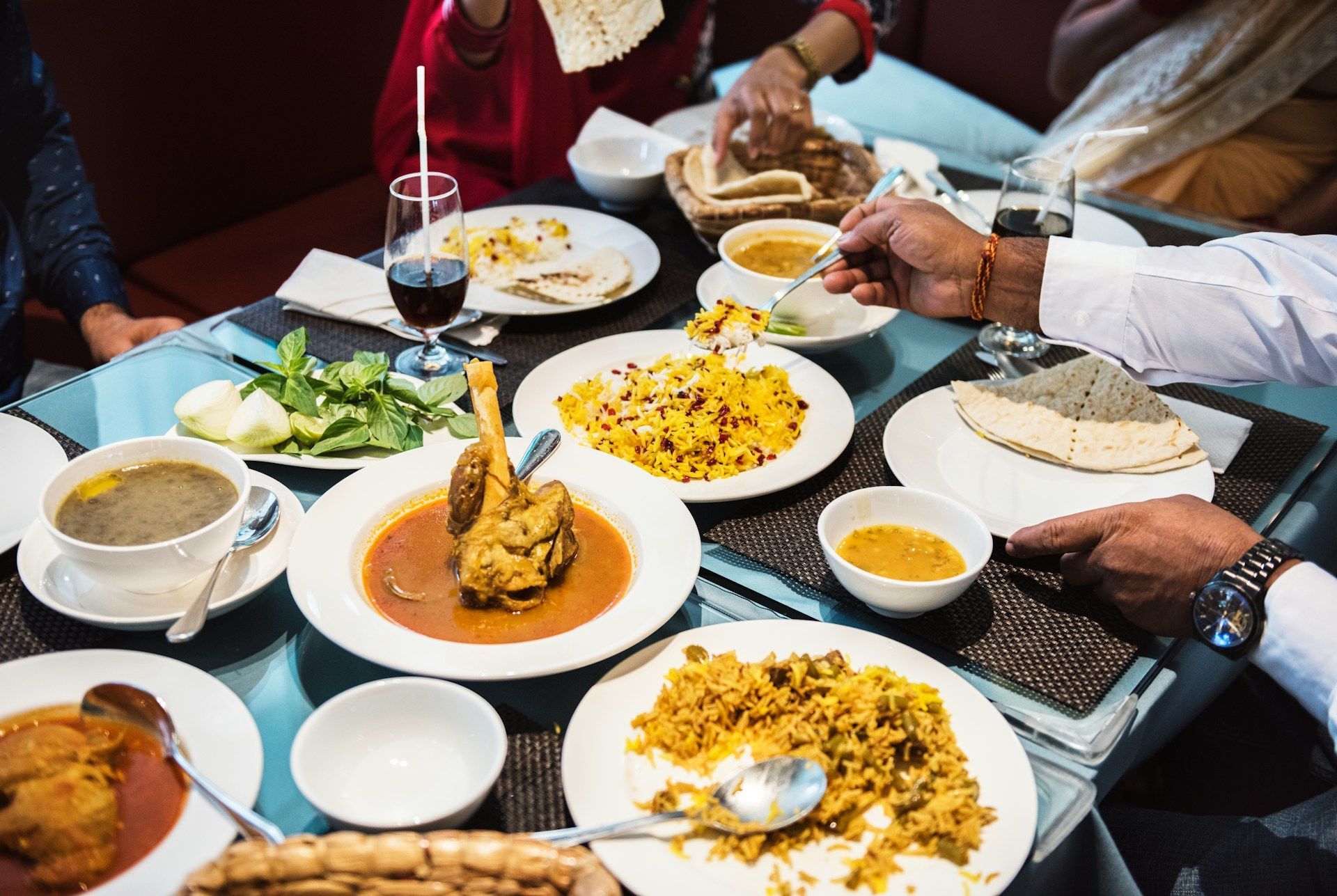
Discover a family-run spot by Tower Bridge offering charcoal tandoor classics and all-day dining at an Indian restaurant in London near the riverbank
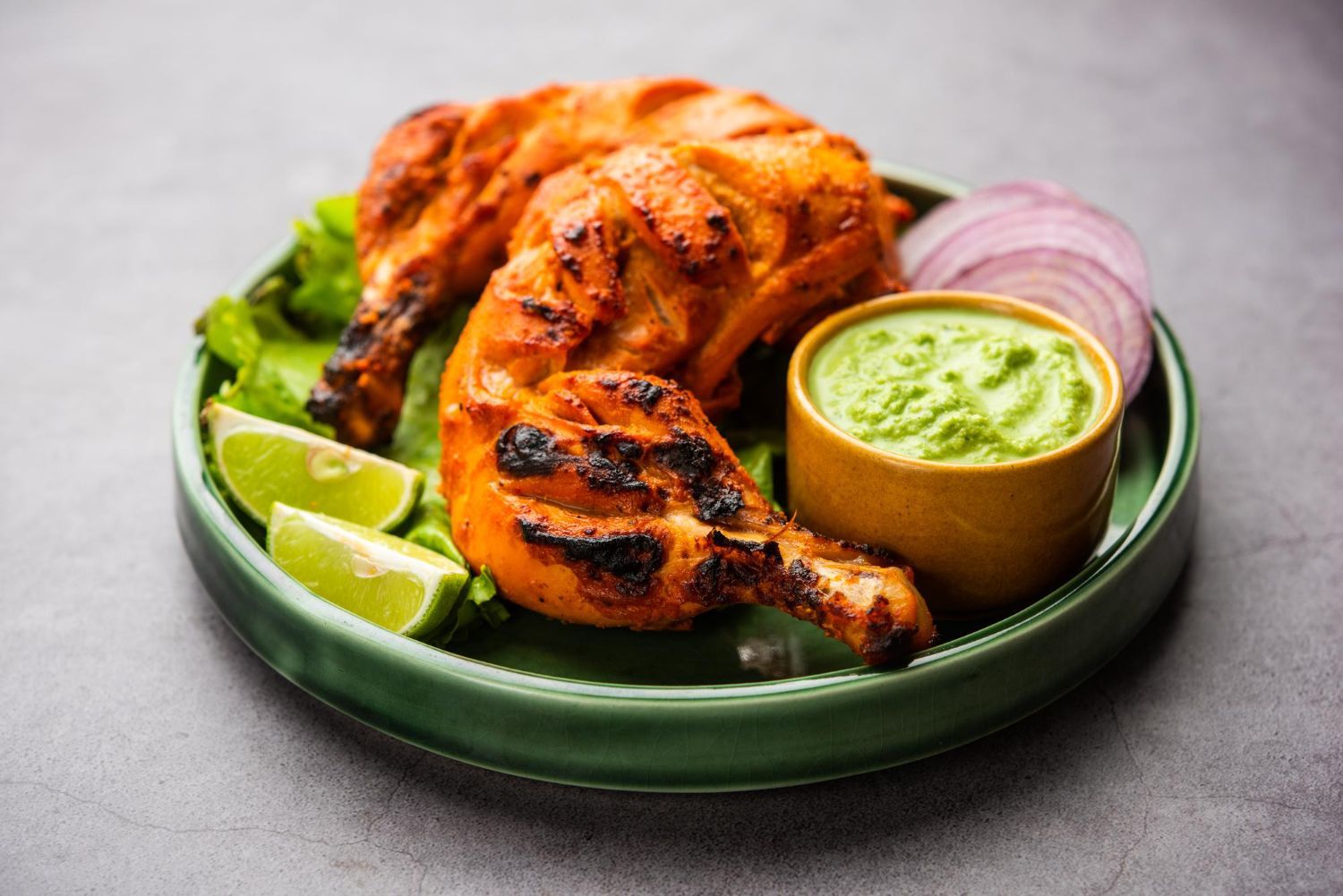
Discover what charcoal tandoori really changes in flavour, texture and cook time at an Indian restaurant near Tower Bridge, with side by side dish comparisons.
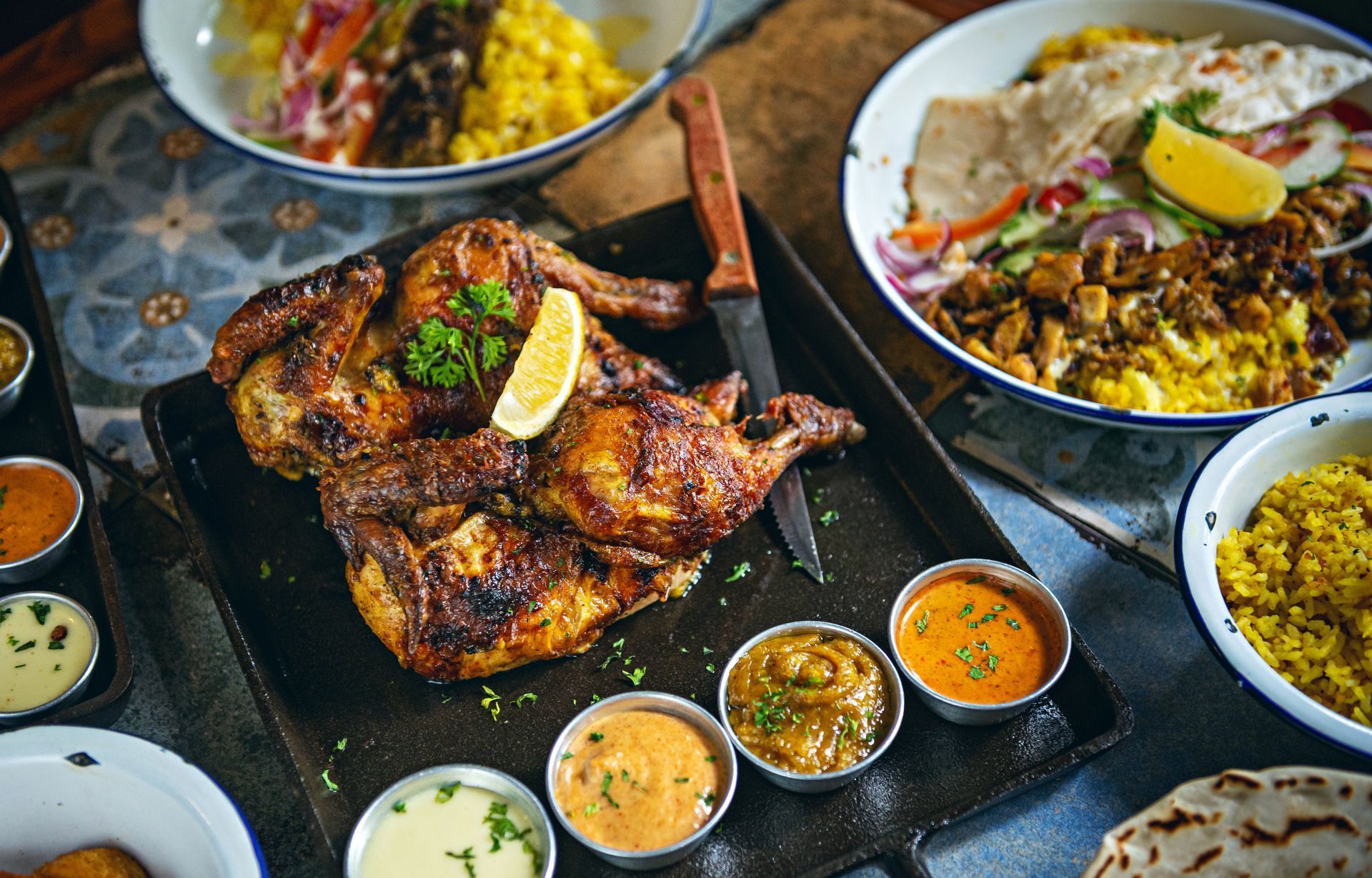
Follow a chef’s Friday-night tandoori timeline near Tower Bridge: heat control, skewer sequence, and service rhythm inside a busy Indian kitchen.