7 of the Most Important Spices in Every Indian Pantry
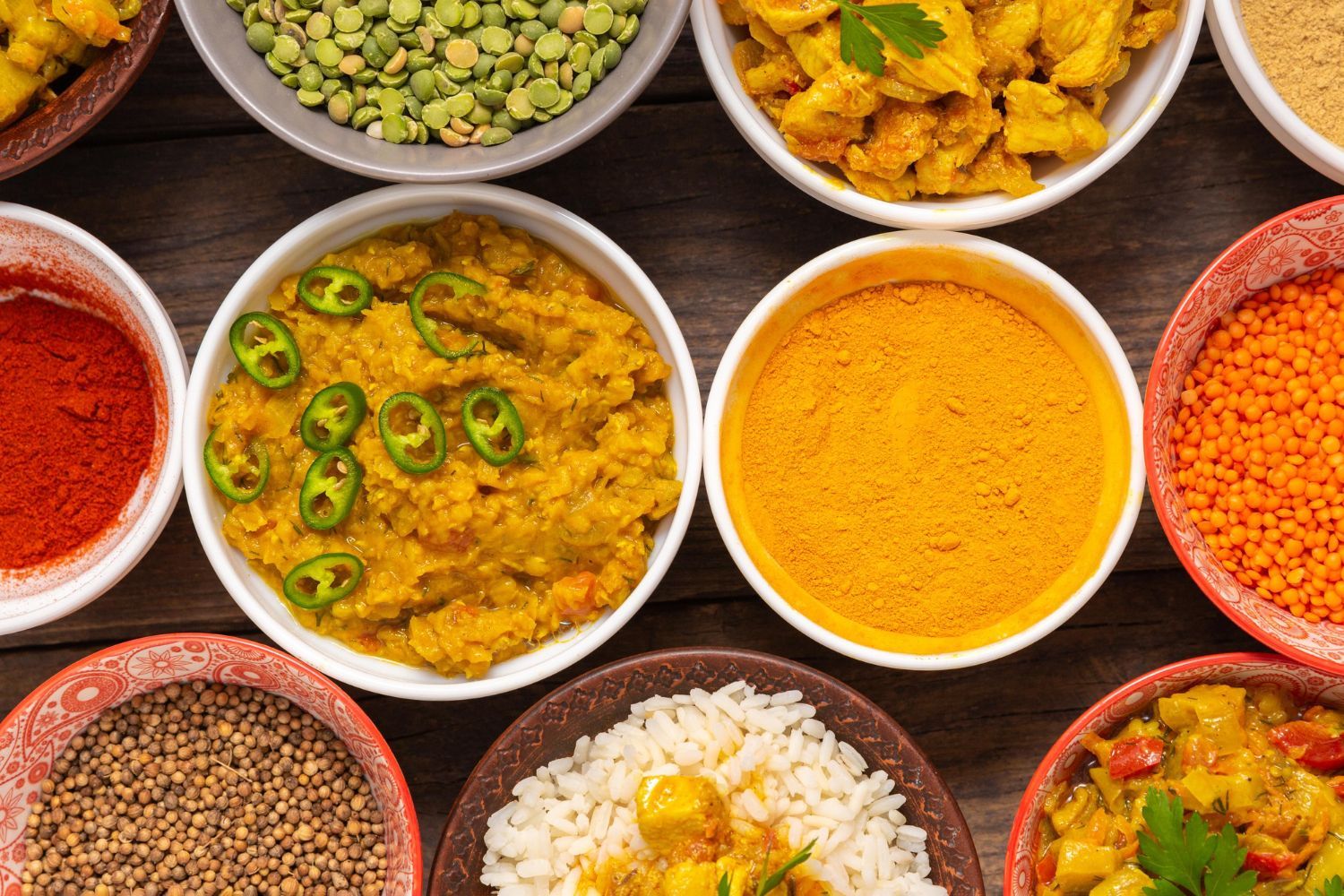
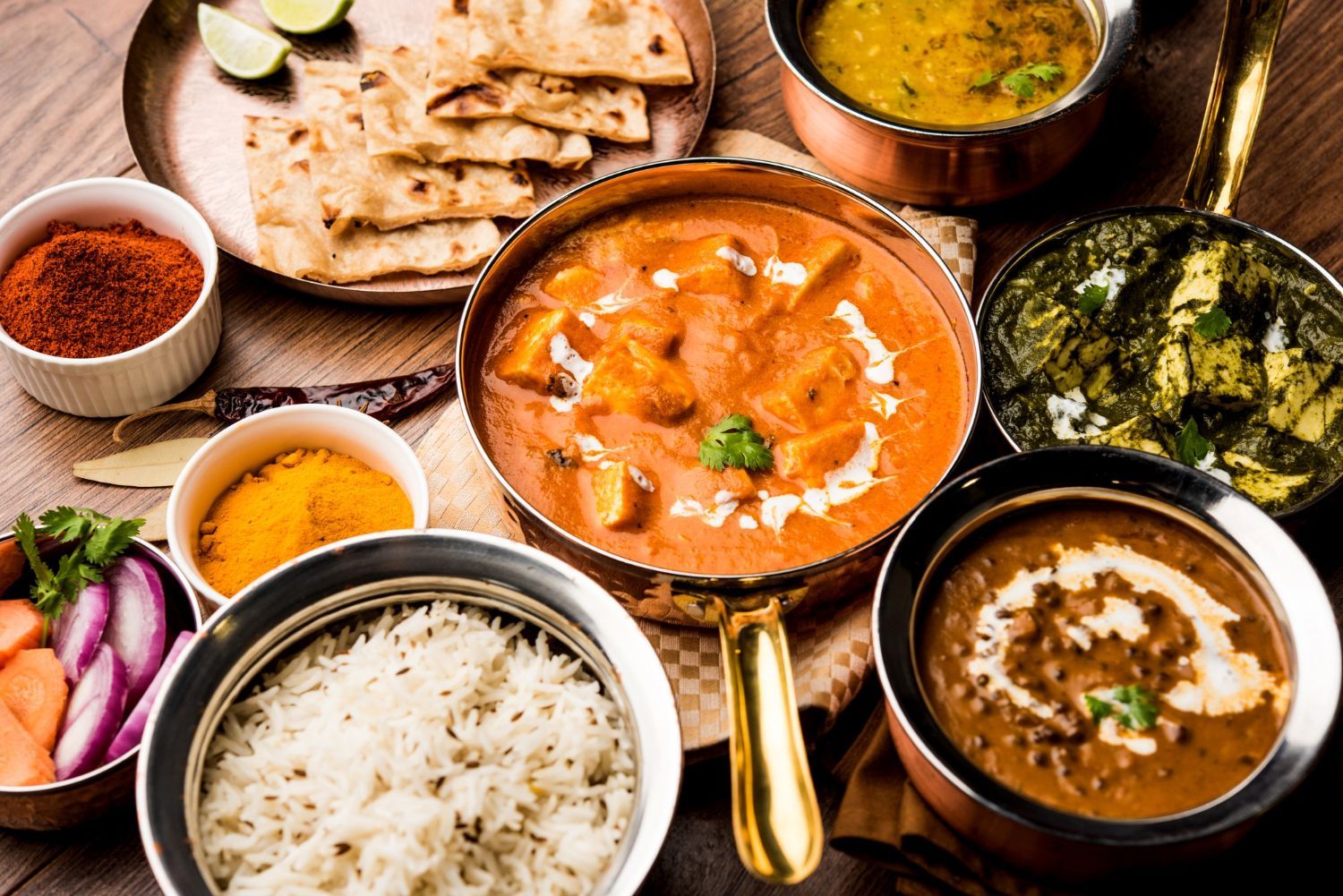
What spices are necessary for Indian cooking? Indian cuisine contains a wide range of delectable and aromatic spices to make your kitchen smell lovely. Plus, the food will be delicious! Which, though, are you most inclined to use? You probably don't want to buy every spice under the sun, but here are the seven important spices for Indian cooking that you should have on hand.
1. Cardamom
In Indian cuisine, there are two types of cardamom: green and black. The most popular colour is green, which is used in everything from spice blends to lassis to Indian delicacies. The flavour is light and sweet, with a little hint of eucalyptus. When preparing spice blends like garam masala, green cardamom can be mixed whole; however, when using it in sweets or desserts, open the pod and softly crush the aromatic black seeds before using.
On the other hand, Black cardamom is extremely potent and smokey and should be used with reserve. Normally, just the seeds are used, and if using the entire pod, remove it before serving the meal, since it may be rather fiery to bite into.
2. Cumin
Cumin is one of the most common spices for Indian cooking and forms the base for many spice mixes. It can be used whole or ground, and has a strong flavour that is slightly bitter, smoky, and a little sweet. In India, it is often toasted before grinding and adding to dishes, which adds a little extra flavour. Cumin is also used in Mexican and Middle Eastern cooking, used in dishes like hummus or fattoush.
3. Coriander
Coriander is known as cilantro when used fresh, and it is just as essential a spice for Indian cooking as cumin. Unlike cumin, coriander actually has two varieties. The first is the seeds, which are very similar to cumin, except they are softer and more rounded. The second is the fresh leaves of the plant, called cilantro. Cilantro is very fresh and bright, having a citrusy and peppery flavour, which goes great with things like chicken, white fish, and vegetables.
4. Cinnamon
Cinnamon is an earthy and subtle spice that goes great with meats and in sweet dishes like desserts, apples and pears. It is also used in many spice mixes, and goes particularly well with cumin and coriander. Cinnamon gets its flavour from the oil in the inner bark, which is also used in cooking, and it is this bark that should be used in Indian recipes, as the bark from trees grown in Western countries has a very different flavour.
5. Black Pepper
Whole peppercorns are used in Indian recipes for flavour and for their pepperiness. It pairs well with cumin and is used in many masalas, but since it is such a strong flavour, it is best used in small amounts.
6. Turmeric
Turmeric is known as the "golden spice" since it is commonly used in Indian cooking for the colour and perfume it adds to the meal. It is also well-known for its numerous health advantages. Turmeric is typically added at the beginning of an Indian meal and sautéed with other ingredients such as onions, ginger, and garlic.
7. Fenugreek
Fenugreek is a very intense herb that is often used to give a savoury flavour to Indian dishes through its dried leaves, called methi. The leaves go well with vegetables, chicken, fish and lentils, and can be lightly fried or boiled in water to make a light broth. Fenugreek leaves are an ingredient in Indian dishes and curries, especially stews like dhal, or with vegetables like potatoes and peas.
Conclusion
Indian food is very diverse and can be best described as rich and fragrant, with an emphasis on bold spices, herbs and blends. So, if you want to make your Indian food extra special, complement it with some of the essential spices from above.
For the most authentic and
best Indian restaurant in London, you can eat a Tower Tandoori. We ensure to cook every dish as heartily as we can, as we infuse authentic Indian flavours through the use of spices. Enjoy a quick trip to India with your palate at Tower Tandoori.